Buy Rebar & Reinforcing Bars Online — In-Stock, Fast US Delivery


Understanding Reinforcing Bar (Rebar)
Essential steel reinforcement for concrete structures
What is Rebar?
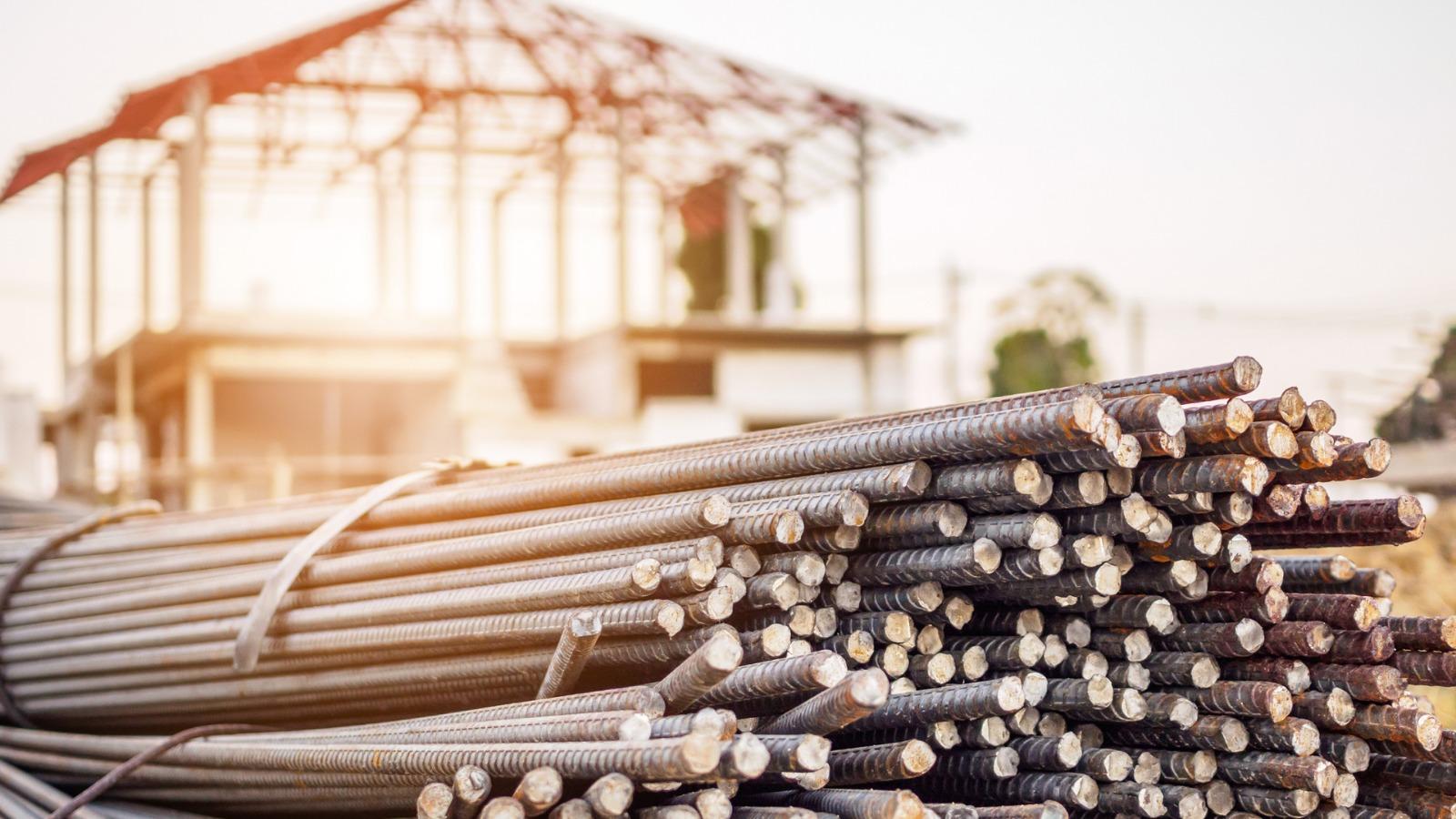
Rebar, short for reinforcing bar, is a steel bar used as a tension device in reinforced concrete and masonry structures to strengthen and hold the concrete in compression. Concrete is strong under compression but weak under tension, so rebar is cast into it to carry the tensile loads and prevent cracking. The surface of rebar is often deformed with ribs, lugs, or indentations to create a better bond with the concrete, preventing slippage.

Typical Standards and Grades
Rebar is manufactured to meet specific industry standards that define its mechanical properties, such as tensile strength and yield strength. The most common standard in the United States is the American Society for Testing and Materials (ASTM).
ASTM A615: This is the most widely used standard for rebar, covering plain carbon steel bars. It's the go-to choice for general construction and is available in various grades, with Grade 60 being the most common. Grade 60 rebar has a minimum yield strength of 60,000 psi. Also available Grade 40 (minimum yield strength of 40,000 psi) which is used in job sites that are fabricated by hand.
ASTM A706: This standard covers low-alloy steel deformed and plain bars for concrete reinforcement. It's often used where welding is required, as its chemical composition is better suited for welding than A615.
ASTM A996: This standard applies to rail-steel and axle-steel deformed bars for concrete reinforcement. It's less common but used in specific applications.
Rebar is also classified by size, with the size number corresponding to the bar's diameter in eighths of an inch. For example, a #4 rebar is 4/8" or 1/2" in diameter. Sizes start with #3 rebar and go up to #18.
Common Usages & Applications
Rebar is a fundamental component in almost all concrete construction projects, from residential foundations to massive public works.
Foundations and Slabs: Used to provide structural integrity to concrete foundations, footings, and floor slabs, preventing them from cracking under load or due to temperature changes.
Walls and Columns: Essential for reinforcing concrete walls, columns, and beams in buildings, bridges, and parking garages.
Roads and Bridges: Used extensively in the construction of highways, bridges, and overpasses to handle heavy traffic loads and environmental stress.
Precast Concrete: A core material in precast concrete products like culverts, sewer pipes, and retaining wall blocks, where controlled production ensures high strength and durability.
Invoicing by Theoretical Weight
Reinforcing steel is sold and invoiced based on theoretical weight, not actual weight. This is a standard industry practice outlined in ASTM A615. Theoretical weight is calculated using the bar's nominal diameter and a standard density for steel.
For example, a #4 rebar has a theoretical weight of 0.668 pounds per linear foot. This standardized method ensures consistent pricing and invoicing across the industry, regardless of minor variations in the actual weight of individual bars. You pay for the precise amount of steel specified by the standard, guaranteeing transparency and fairness in every transaction.
Sizing an order? Use the free Rebar Weight Calculator to convert bar size, length, and quantity into pounds and tonnage — or the Steel Price Converter to translate $/cwt quotes into $/short ton or $/metric ton.
Rebar Conditions
StaalX identifies rebar conditions under three categories: "Good", "Fair", and "Any" condition. If the buyer doesn't require perfectly blue condition rebar and completely straight pieces, "Fair" and "Any" conditions can provide significant savings in materials cost.
Rust Conditions:
- Good: Blue to Light Rust
- Fair: Light to Moderate Rust
- Any: Moderate to Heavy Rust (No warranties provided)
Bent Pieces:
You should expect no bent bars for the "Good" condition rebar except maximum 2 pieces for #3 rebar bundle. For "Fair" and "Any" conditions, some number of bent bars per bundle should be expected. All bent pieces should be bent no more than 45 degrees and could be used with simple straightening.


Seller Benefits
Sellers list their steel stock on StaalX to achieve a greater customer reach with best prices. Seller have the ability to sell their prime and aging stocks and get paid quickly.

Buyer Benefits
Buyers get instant quotes for full or less-than-truckload orders, with delivery or pickup options from stock locations.

Delivery or Pickup
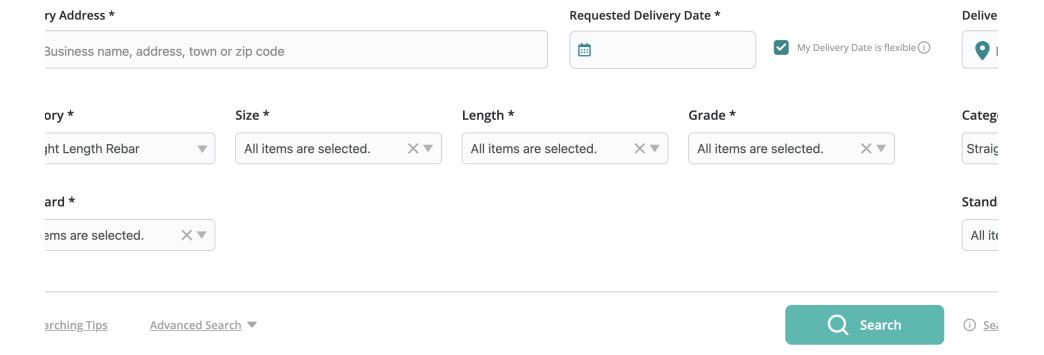
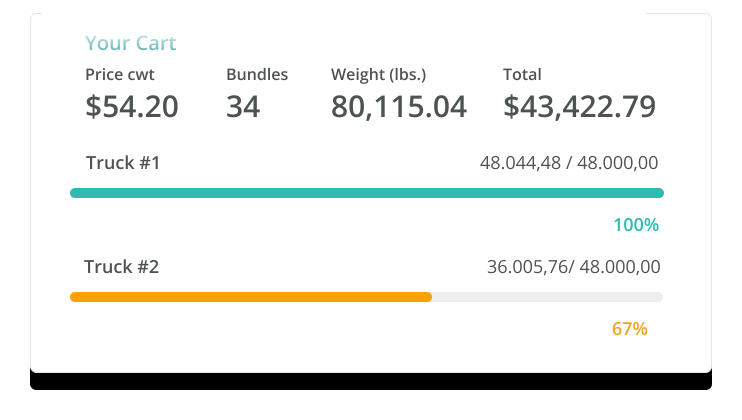
Get an instant quote for full or less-than-truckload orders. Choose delivery to your job site or pickup from our US stock locations — enter your address, review your cart, and book.


Delivery timing depends on your location relative to our stock locations. Pickup is available at all stock locations.