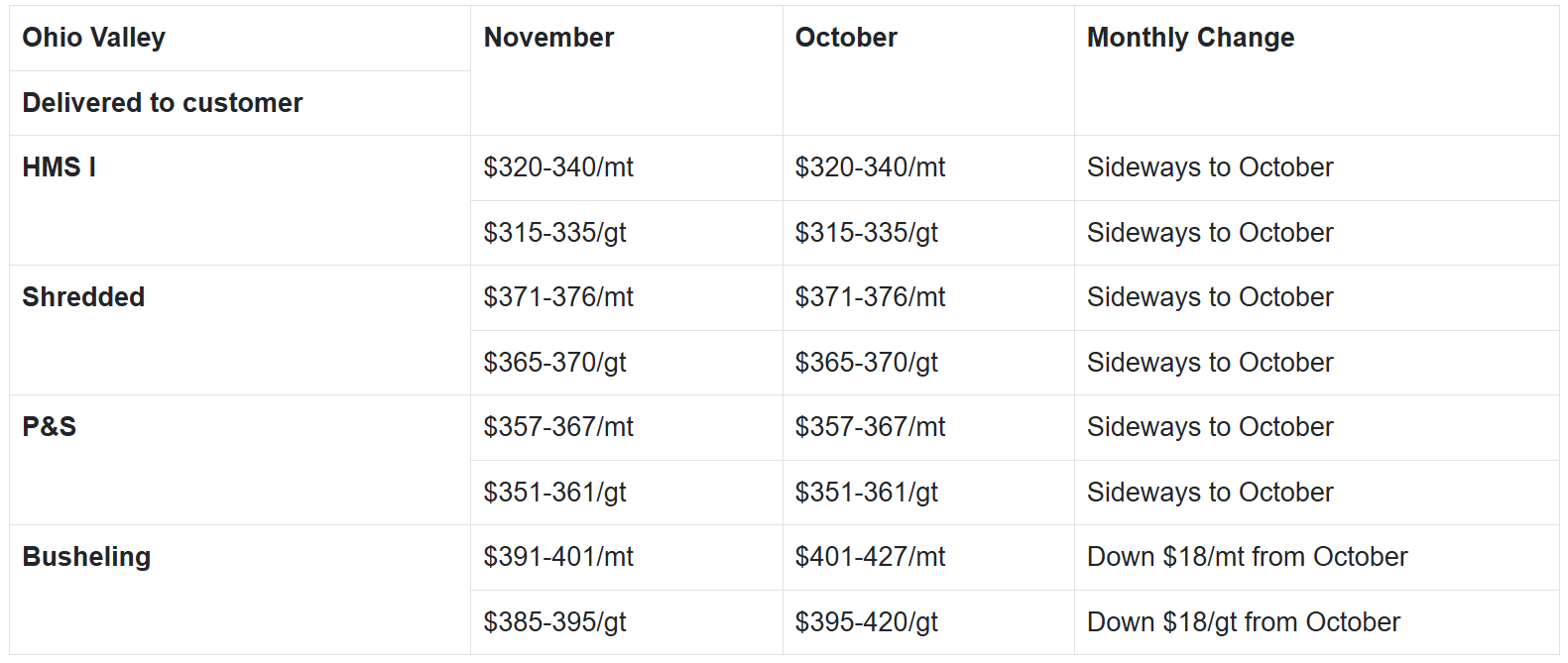
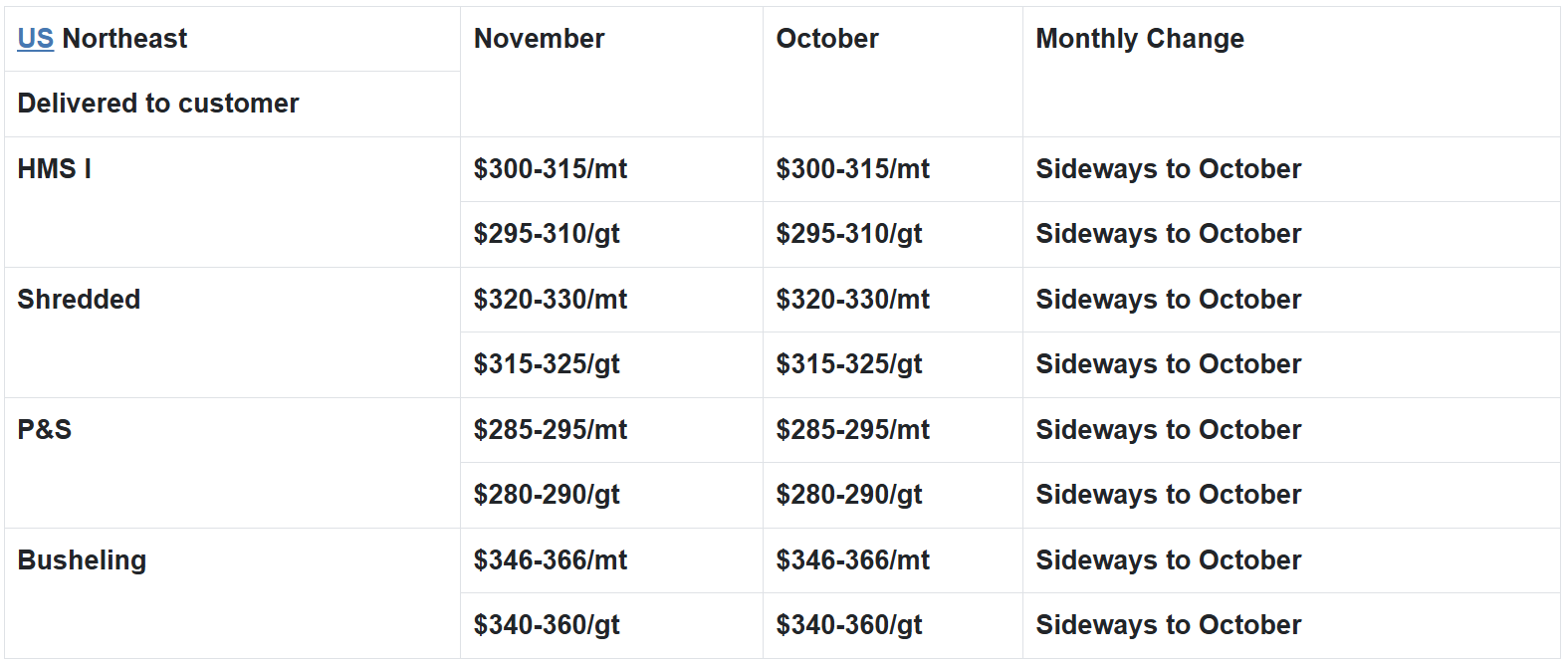
Despite initial intentions to maintain pricing stability and discipline, rebar mills are rapidly selling out their rollings well into January. Even with stable scrap input costs, mills were forced to raise prices to control the pace of new order entry. This surprising surge in demand is primarily driven by massive, multi-billion dollar data center projects from the tech industry. So the domestic mills raised their prices over the weekend by $30 /short ton at the expense of looking greedy.
This unexpected tightening has left some major rebar distributors out of stock—a rare occurrence given typically ample import supplies. The few master distributors with remaining inventory have consequently raised prices again.
Contributing to the shortage is the pending antidumping (AD) case against rebar imports from Egypt, Vietnam, Algeria, and Bulgaria. Given the stiff 50% Section 232 tariffs and unattractive net pricing back to foreign mills, other global suppliers are not eager to fill the void left by these major sources.
It is now clear that Q1 rebar supply will remain tight. Despite numerous recent price increases, the pricing trend remains firmly upward. The only potential factor to ease this pressure is the ramp-up of production from the newly operational Hybar and Nucor Lexington mills, which should contribute increased output in the first quarter.
On the wire rod side, domestic mills are busy but not overwhelmed. Importers are beginning to find some success securing orders for Q1 arrivals—these represent the first large shipments booked since the 50% Section 232 tariff was imposed.
While long products (rebar, wire rod) are performing strongly, flat products pricing has also begun to creep up in small steps. With inventory levels drawing down, flat product prices are poised to move in larger increments going forward.
Overall, the US market is now highly protected from imports. As a direct result, American steel consumers are paying nearly double the price compared to global benchmarks.





.jpeg)